The steps between a visit and a sale
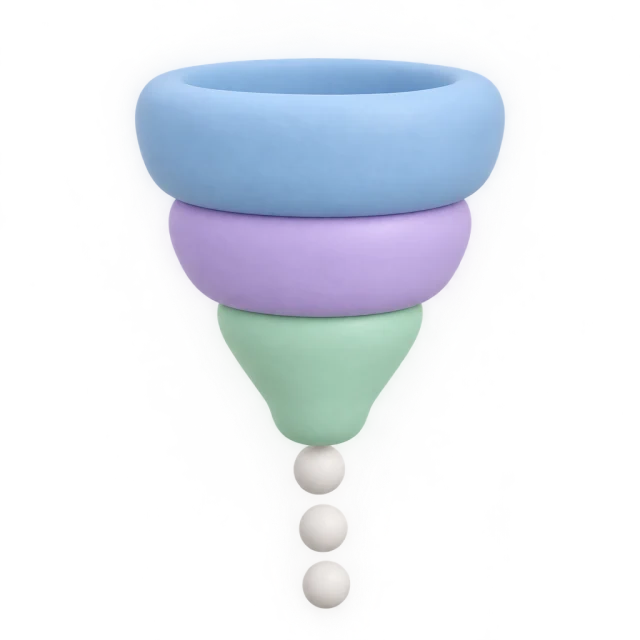
A conversion funnel is the path visitors take to do the thing you want, broken into steps. For an online store it might be product page, cart, checkout, paid. For a software company it might be home page, pricing, sign-up form, account created.
It’s called a funnel because it narrows: fewer people reach each step than the one before. That’s normal. The question is which step loses far more people than it should.
How to read a funnel
- Look at each step, not just the end. “14% of visitors buy” hides where the other 86% went.
- Find the biggest drop. One step usually loses many more people than the rest. That’s where to start.
- Compare groups. Phones against computers, or ad visitors against search visitors. A drop that only happens on phones points to a design or speed problem.
Building a useful funnel
- Keep it short. Three to five steps is usually enough to see the problem.
- Use steps people really take, in the order they take them.
- Name the goal clearly, such as an order confirmation page or a submitted form.
Finding out why people drop off
A funnel tells you where people leave. To find out why, watch recordings of visitors who reached that step and left, check which form field they gave up on, and look at how fast the page loads for them. The cause is often simple once you see it: a surprise delivery cost, a confusing field, a button hidden on small screens.
Funnels in Cuttl
In Cuttl you build a funnel from pages or events and see the conversion at every step for any group of visitors. Form analytics shows which field makes people quit, and each drop links to the recordings behind it.